
Understanding Local Soccer Rules: A Guide for San Diego Referees


Introduction
For referees in San Diego, understanding local soccer rules is crucial to maintaining fair play and ensuring the smooth operation of matches. Local leagues can have specific adaptations that differ from international guidelines, making it essential for referees to be well-versed in these nuances.
Key Differences in Local Rules
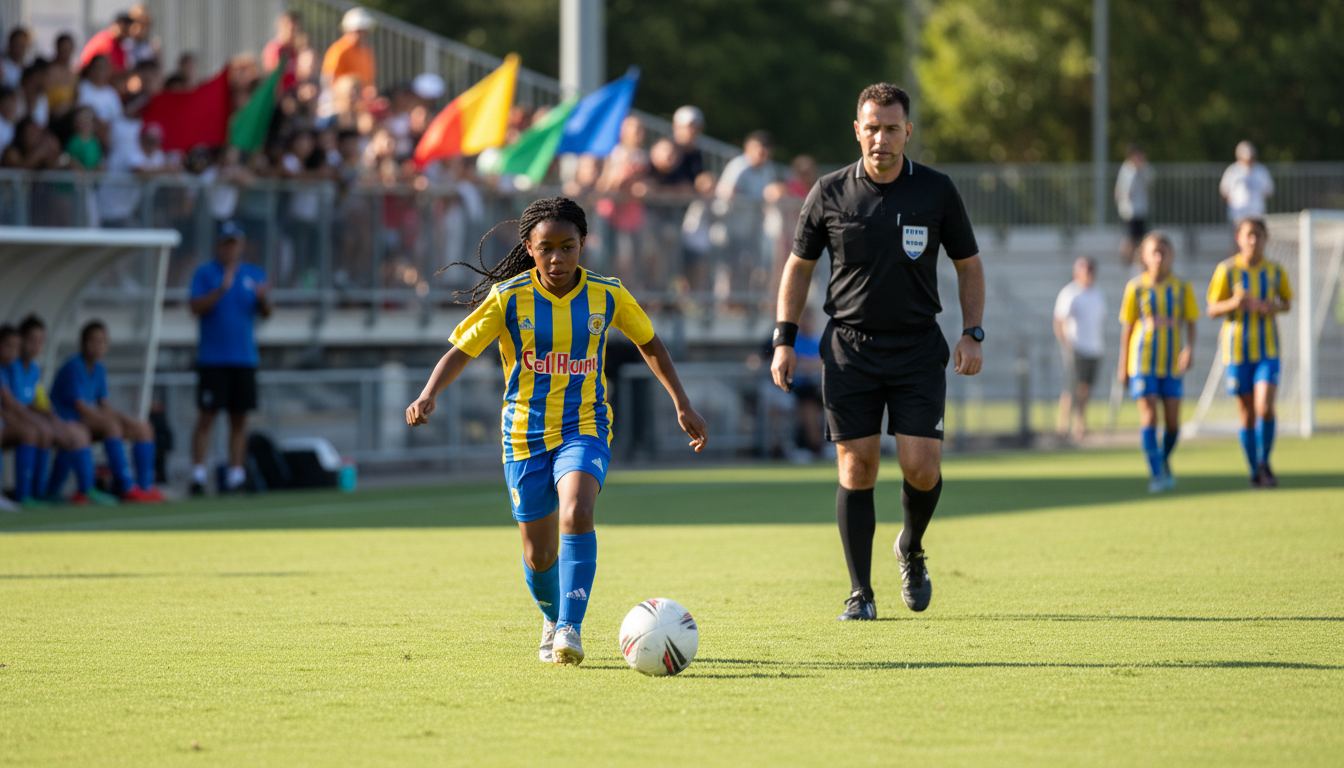
While the foundation of soccer rules remains consistent, certain adaptations are made to suit local leagues. These can include modifications in match duration, player substitutions, and equipment standards. Understanding these differences helps referees manage the game effectively.
Match Duration
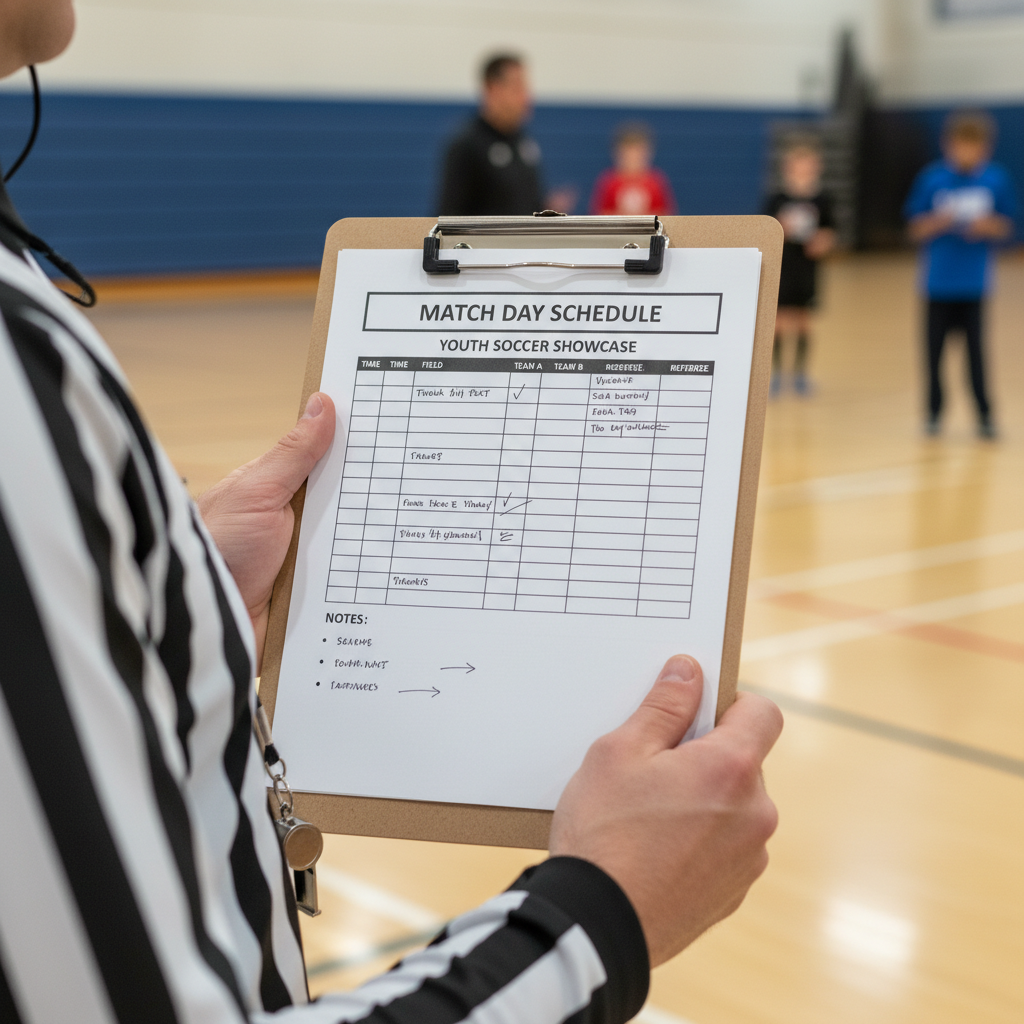
In some San Diego leagues, match duration may differ from the standard 90 minutes. For youth leagues, for instance, the halves are often shorter to accommodate younger players. It’s important for referees to confirm the specific match length before each game.
Player Substitutions
Local leagues may allow more frequent substitutions than international rules permit. This adjustment helps teams manage player fatigue and encourages participation, especially in youth matches. Referees should keep track of these substitutions to ensure proper procedure.
Equipment Standards
Ensuring players meet equipment standards is another crucial responsibility. Local rules might specify different requirements for shin guards, footwear, and jerseys. Referees need to check compliance before the match begins.
Checking Player Equipment
Before each game, referees should perform a thorough check of all players’ equipment. This includes ensuring that all players wear proper shin guards and that no jewelry is worn on the field. Such checks prevent injuries and ensure fair play.
Managing On-Field Conduct
Handling on-field conduct is a significant part of a referee’s role. In San Diego, referees are encouraged to promote sportsmanship and address unsporting behavior promptly. Local guidelines may offer specific procedures for dealing with dissent and foul play.
Dealing with Unsporting Behavior
Referees should be familiar with the recommended penalties for various offenses. This includes issuing yellow or red cards for serious fouls and managing any disputes calmly and fairly. Understanding these protocols maintains the integrity of the game.
Conclusion
Referees play an essential role in the world of soccer, ensuring that the game is played fairly and safely. By understanding and adhering to local soccer rules, referees in San Diego can effectively manage matches and contribute to a positive experience for everyone involved.