
Navigating Local Soccer Regulations: A Referee's Guide to San Diego Rules


For referees in San Diego, understanding local soccer regulations is crucial to maintaining the integrity and enjoyment of the game. This guide provides essential insights into the specific rules and guidelines that govern soccer in this vibrant region, ensuring that referees are well-equipped to handle any situation on the field.
Understanding Local Modifications
San Diego has its unique set of modifications to standard soccer rules, which are designed to enhance the game at the local level. These modifications often focus on player safety and game flow, allowing for a more enjoyable experience for both players and spectators. As a referee, being familiar with these adjustments is key to effective officiating.
One common modification involves the duration of the game. Depending on the age group, matches might have different half lengths compared to standard international games. Referees must be aware of these variations to ensure accurate timekeeping.
Equipment and Field Requirements
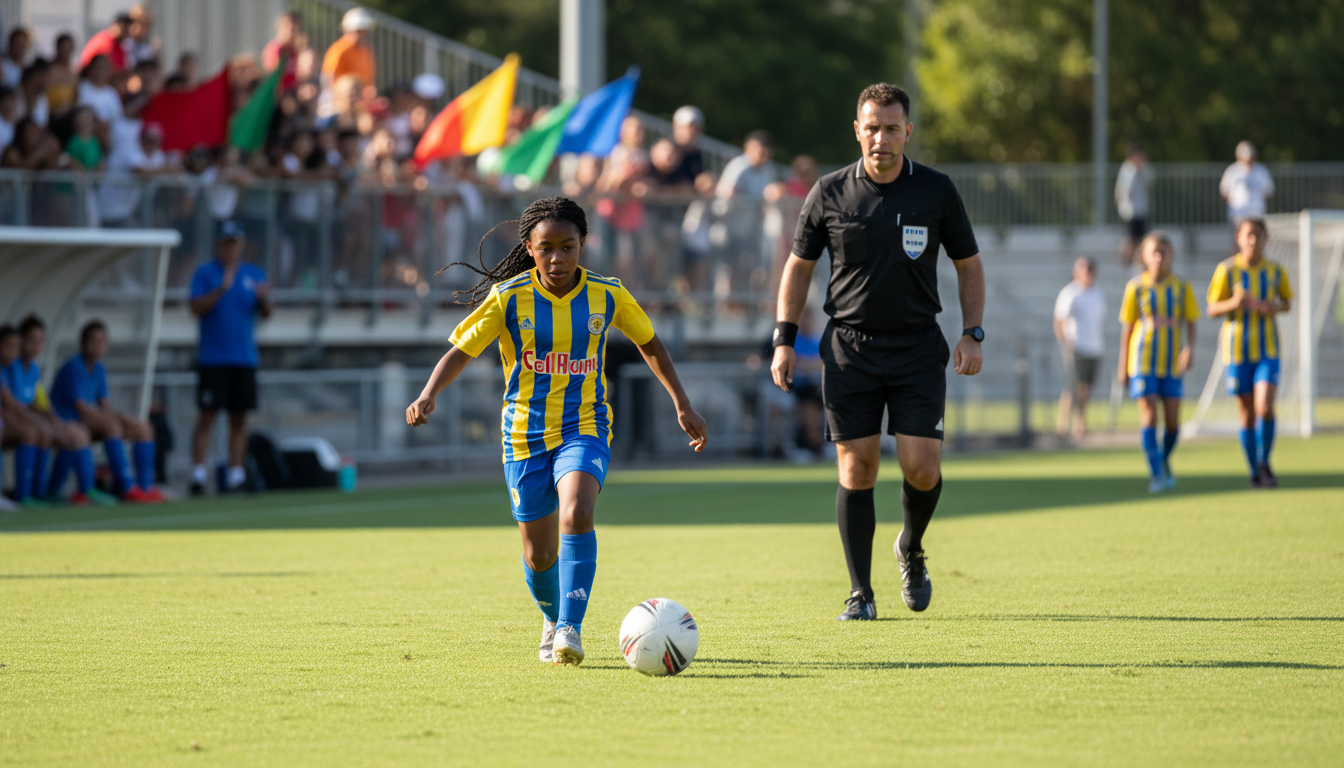
Proper equipment and field setup are essential components of local soccer regulations. In San Diego, referees must ensure that all players are equipped with appropriate gear, including shin guards and proper footwear. The field itself must also meet specific dimensions and markings as outlined by local leagues.
It is the referee's responsibility to inspect the field before the match begins. This includes checking goal posts, nets, and ensuring that the playing surface is safe and free of hazards. Any discrepancies should be reported to league officials immediately.
Player Conduct and Discipline
Maintaining discipline on the field is another critical role of the referee. San Diego's local regulations emphasize fair play and sportsmanship, with strict guidelines on player conduct. Referees are expected to enforce these rules consistently, addressing any issues such as dissent, aggressive behavior, or unsporting conduct.

San Diego leagues often have additional rules regarding substitutions, especially for youth matches. Understanding these specifics allows referees to manage the game flow more effectively, minimizing disruptions and maintaining a steady pace.
Handling Special Situations
Referees may encounter unique situations that require quick thinking and familiarity with local regulations. For instance, weather conditions in San Diego can change rapidly, and referees need to be prepared to make decisions regarding match postponements or suspensions due to inclement weather.
Another common scenario involves dealing with injuries. Referees must know the appropriate procedures for stopping play and ensuring that injured players receive timely medical attention. This not only protects the players but also upholds the integrity of the game.
Continuous Education and Support
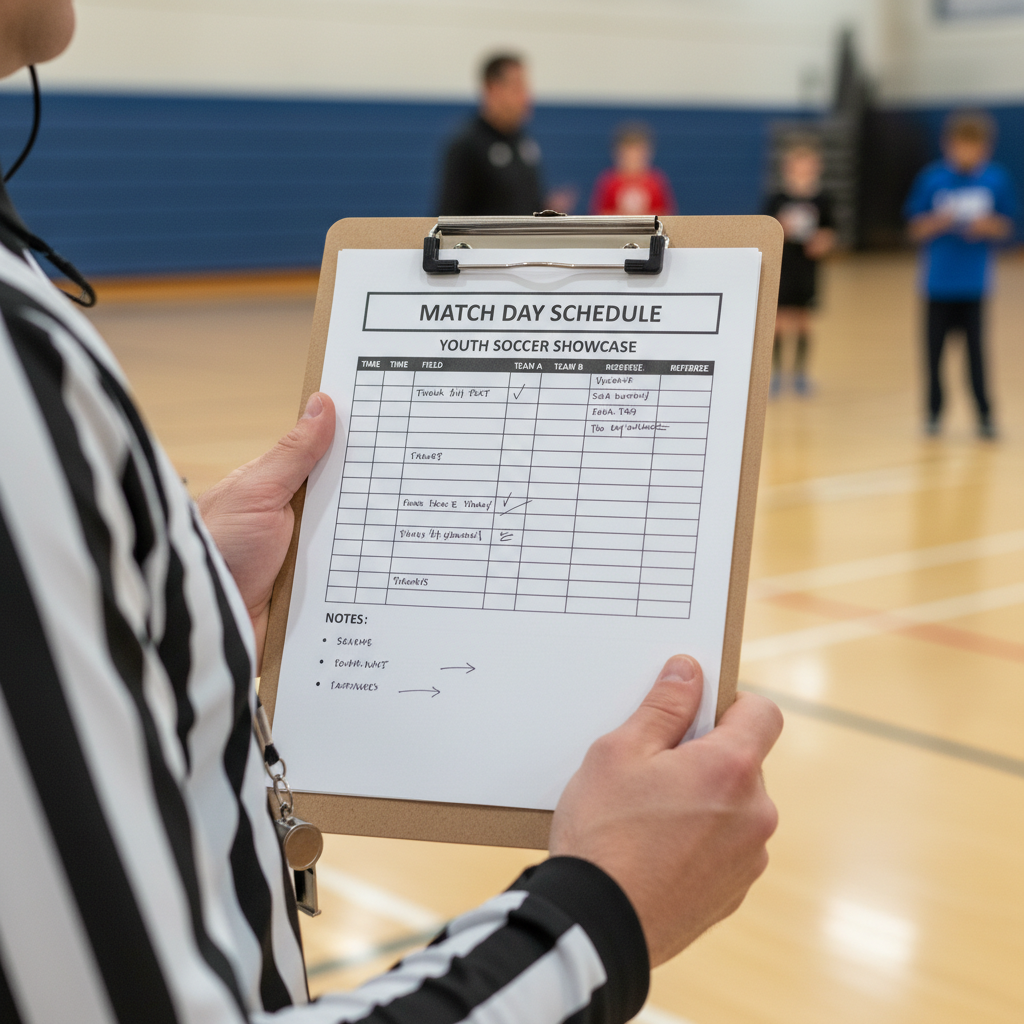
Staying updated with the latest changes in local soccer regulations is vital for referees. San Diego offers various workshops and training sessions designed to help referees enhance their skills and knowledge. Participation in these programs is highly recommended.
In addition, referees can benefit from networking with peers and mentors within the local soccer community. Sharing experiences and insights can provide valuable support and guidance, helping referees to navigate the complexities of officiating effectively.
By understanding and implementing these local soccer regulations, referees in San Diego can contribute to a fair, safe, and enjoyable soccer experience for all participants. With the right preparation and a commitment to continuous learning, referees can play a pivotal role in the success of local soccer events.