
Navigating Local Regulations: What San Diego Soccer Referees Need to Know


Understanding Local Soccer Regulations
For soccer referees in San Diego, keeping up with local regulations is crucial for ensuring fair and smooth matches. While the basic rules of soccer remain consistent, specific guidelines can vary by region. Understanding these local nuances not only helps referees make the right calls but also enhances the overall experience for players and fans alike.
San Diego, with its vibrant soccer scene, has unique regulations that referees must adhere to. These rules are designed to accommodate the diverse range of leagues and age groups participating in the sport.
Registration and Certification
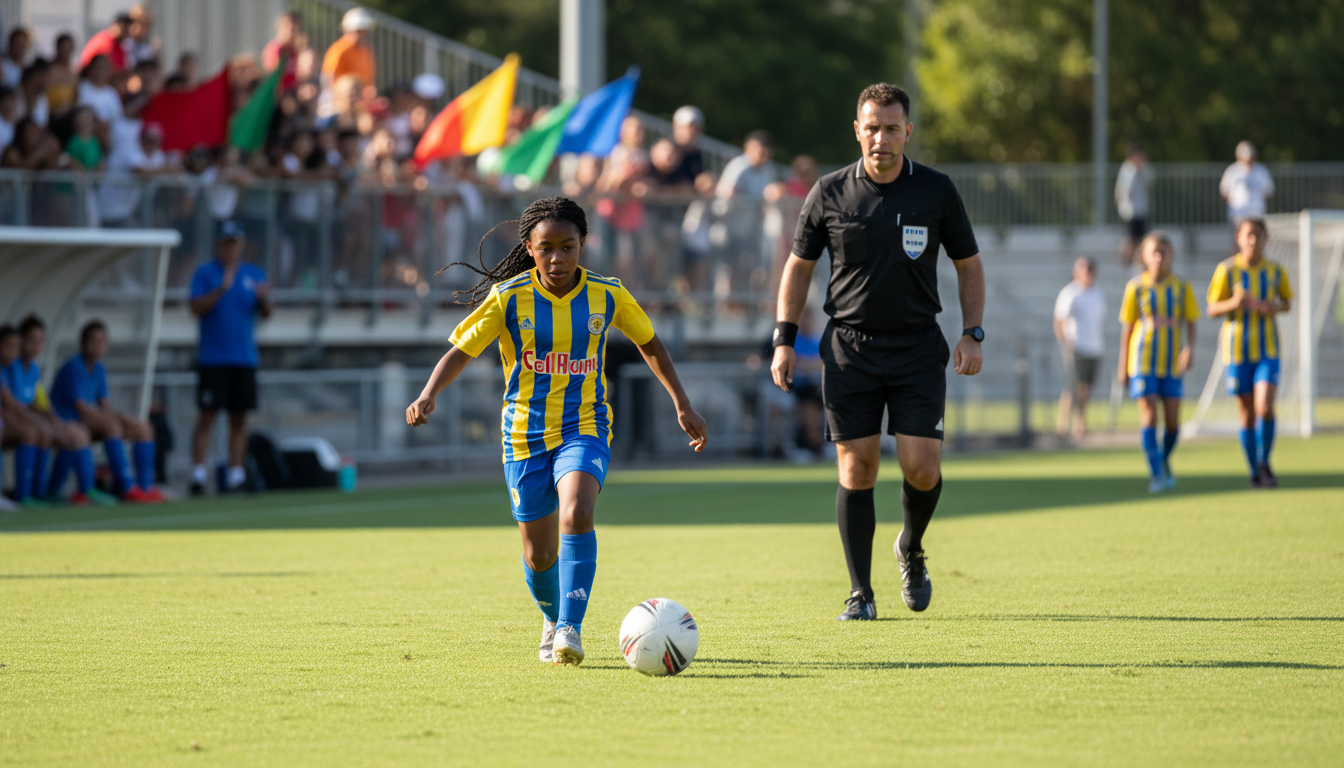
Before officiating matches, referees in San Diego need to be properly registered and certified. This process typically involves completing a training program and passing an exam. The certification ensures that referees are familiar with both national and local rules.
It's important for referees to maintain their certification by attending periodic workshops or refresher courses. These sessions often cover updates in regulations and provide valuable insights into handling different match scenarios.
Age-Specific Rules
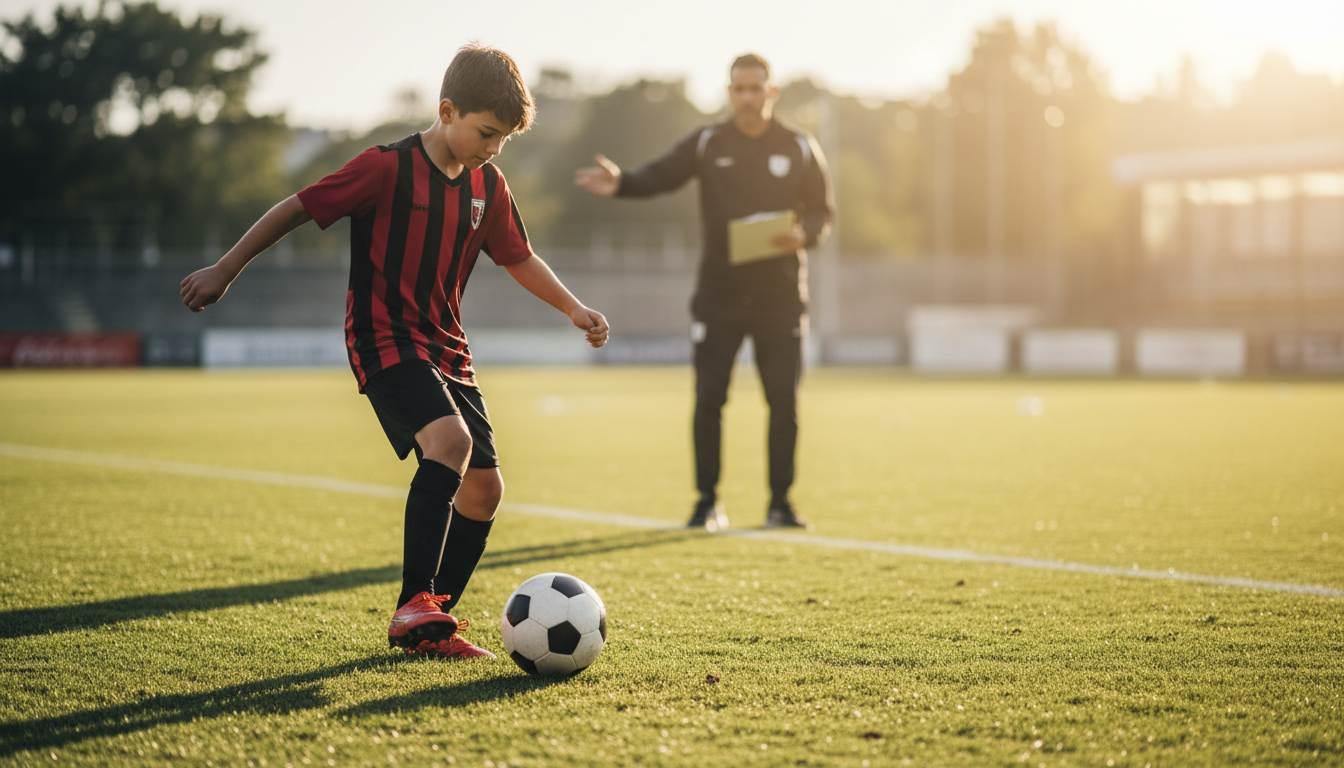
Youth leagues in San Diego often have age-specific rules to ensure the safety and enjoyment of young players. Referees must be aware of these variations, which can include differences in game duration, field size, and substitutions.
Understanding these adjustments is critical. For instance, certain age groups might have limitations on heading the ball to prevent injuries. Staying informed about these rules helps referees make decisions that prioritize player safety.

Weather Considerations
San Diego's weather is generally mild, but referees still need to be prepared for sudden changes that could impact a match. For example, unexpected rain might require adjustments in play or even postponement.
Referees should familiarize themselves with protocols for handling weather-related interruptions. This includes knowing when to pause a game and how to communicate effectively with teams and spectators.
Communication with Teams
Clear communication is vital for referees, especially in a city as diverse as San Diego. With teams often speaking multiple languages, referees should develop strategies for effective communication to ensure everyone understands the rules and decisions.
Utilizing simple and direct language, along with visual signals, can help bridge any language barriers. Being approachable and open to questions from players and coaches also fosters a respectful and cooperative environment.
Staying Updated on Changes
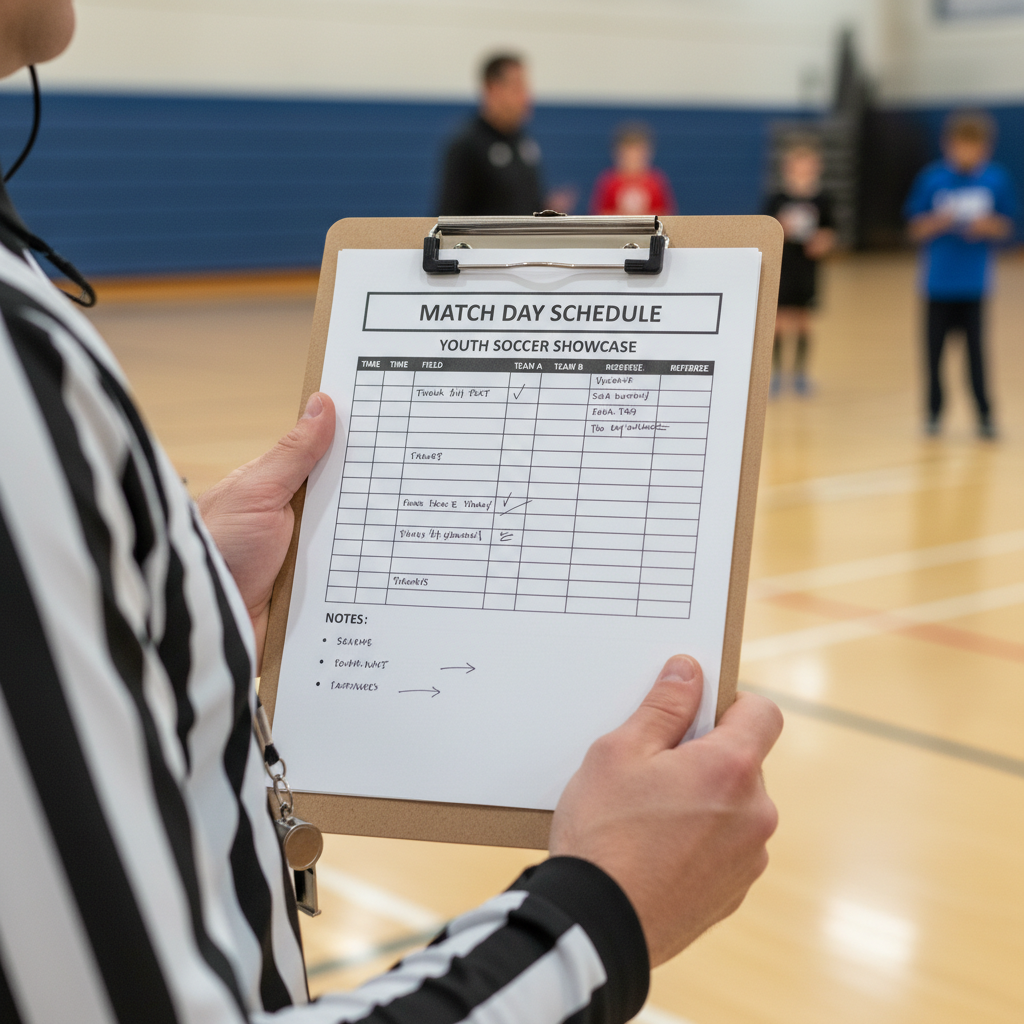
Regulations can evolve, and it's essential for referees to stay informed about any changes. This involves regular review of official announcements and participation in local soccer community discussions.
Joining referee associations or online forums dedicated to San Diego soccer can provide valuable updates and support. Engaging with a network of fellow referees also offers opportunities to share experiences and advice.
By staying proactive and informed, San Diego soccer referees can effectively navigate local regulations, ensuring that every match is conducted fairly and in the spirit of the game.