
How to Prepare for the Soccer Season: A Referee's Checklist


As a referee, preparing for the soccer season is crucial to ensure you’re ready for every match. A well-prepared referee not only contributes to the smooth running of the game but also ensures fair play. Below is a comprehensive checklist to help you get ready for the upcoming soccer season.
Review the Rules and Regulations
Before the season starts, take time to thoroughly review the latest soccer rules and regulations. Governing bodies like FIFA often update rules, and staying informed is essential for making accurate calls on the field. Consider attending a refresher course or workshop to deepen your understanding.
- Download the latest rulebook.
- Attend local referee association meetings.
- Participate in online forums and discussions.

Physical Fitness and Conditioning
Refereeing a soccer match requires high levels of fitness. It’s important to maintain your physical conditioning to keep up with the fast-paced nature of the game. Start your fitness regimen a few weeks before the season begins.
Exercise Routine
Develop a balanced exercise routine that includes cardiovascular workouts, strength training, and flexibility exercises. Aim for at least three to four training sessions per week to build endurance and agility.
Equipment Check
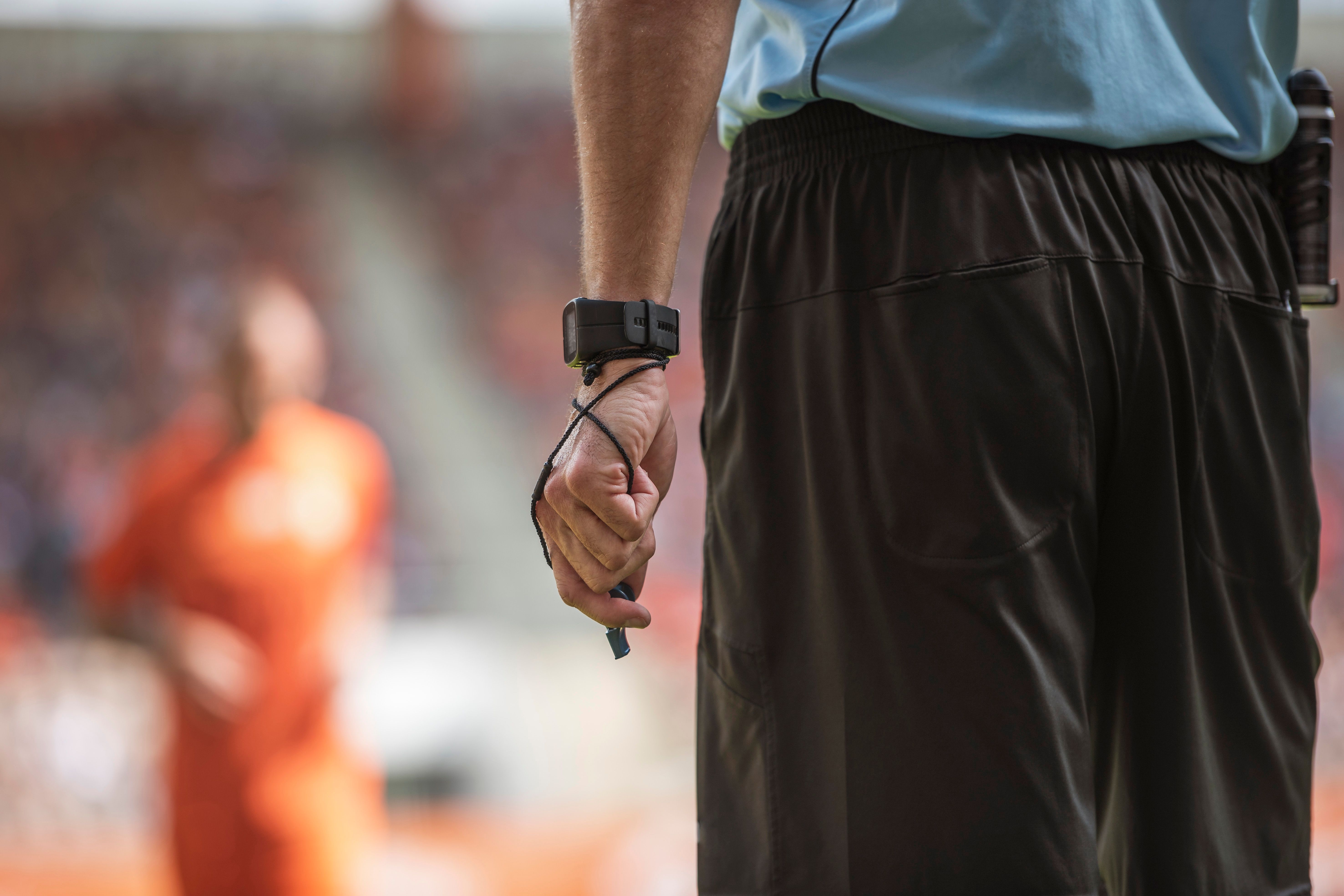
Ensuring your equipment is in top condition is another vital aspect of preparation. Inspect your gear to make sure everything is functional and meets the required standards.
- Whistle: Ensure it’s loud and clear.
- Uniform: Check for any wear and tear.
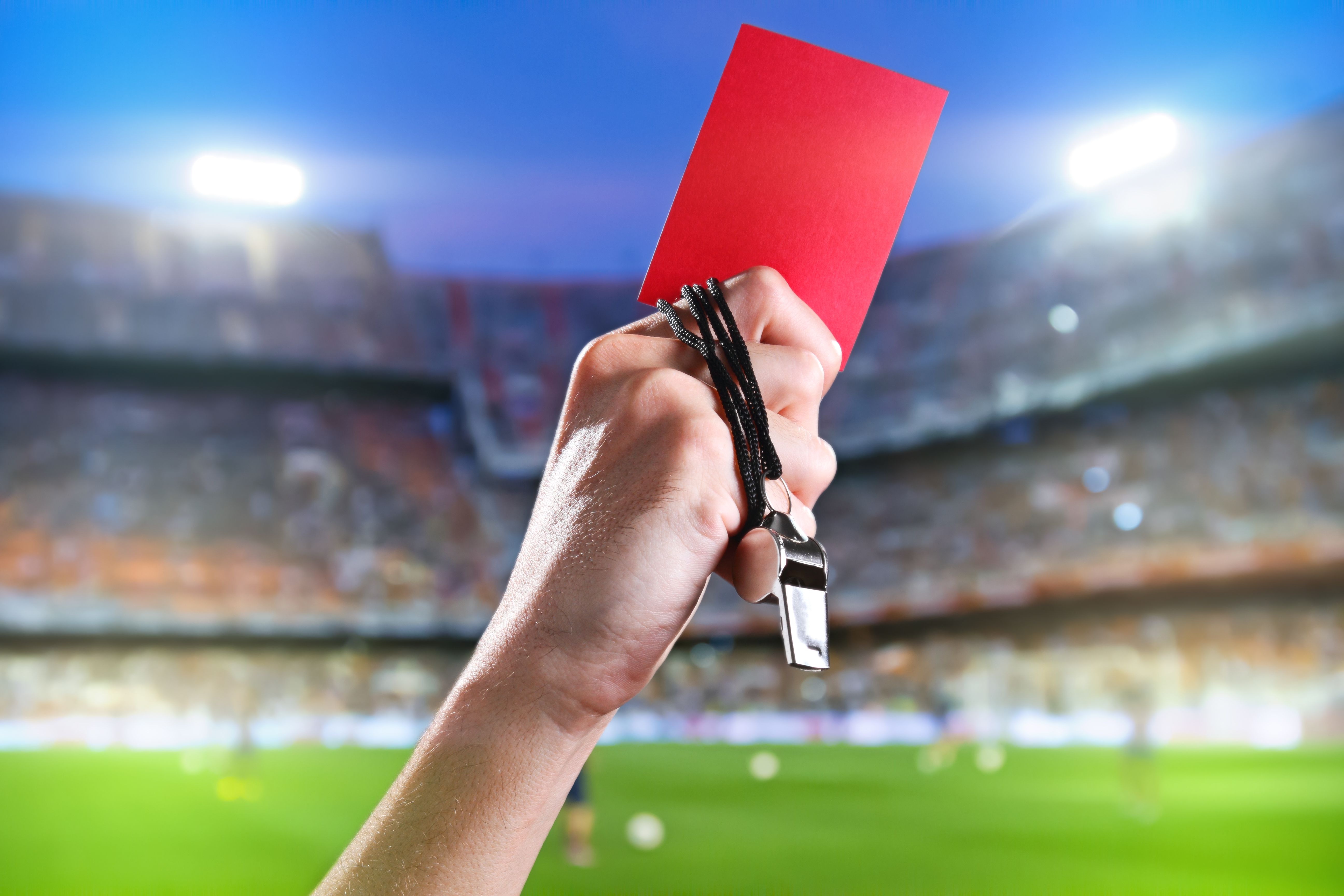
- Flags and Cards: Replace any damaged items.
Pre-Match Preparation
Before each match, a series of pre-match preparations will help you stay organized and focused. This includes mental preparation as well as logistical arrangements.
Arrive Early
Arriving at the venue at least an hour before kickoff gives you ample time for a field inspection and a pre-match briefing with the other officials. This also provides an opportunity to calm your nerves and get into the right mindset.
Communication
Effective communication with your assistant referees is crucial. Establish signals and discuss how you will handle specific game situations. This teamwork will help ensure consistent and fair decision-making throughout the match.
Post-Match Review
After each game, reflect on your performance. A post-match review allows you to identify areas for improvement and helps you grow as a referee.
- Analyze any controversial decisions.
- Seek feedback from fellow officials.
- Keep a journal of your experiences.
By following this checklist, you’ll be well-prepared for the soccer season. Not only will this enhance your confidence and performance, but it will also contribute to a fair and enjoyable experience for all participants.