
Debunking Common Myths About Soccer Refereeing in San Diego


Soccer refereeing often comes with its fair share of misconceptions, especially in vibrant soccer communities like San Diego. These myths can impact how fans view the game and the officials who manage it. Let's dive into some of these myths and set the record straight.
Myth 1: Referees Are Biased Against Certain Teams
One of the most common myths is that referees have biases against particular teams. However, referees are trained to uphold fairness and neutrality. They undergo rigorous training and assessments to ensure they can officiate without prejudice. In San Diego, local referee associations work diligently to maintain high standards of impartiality.
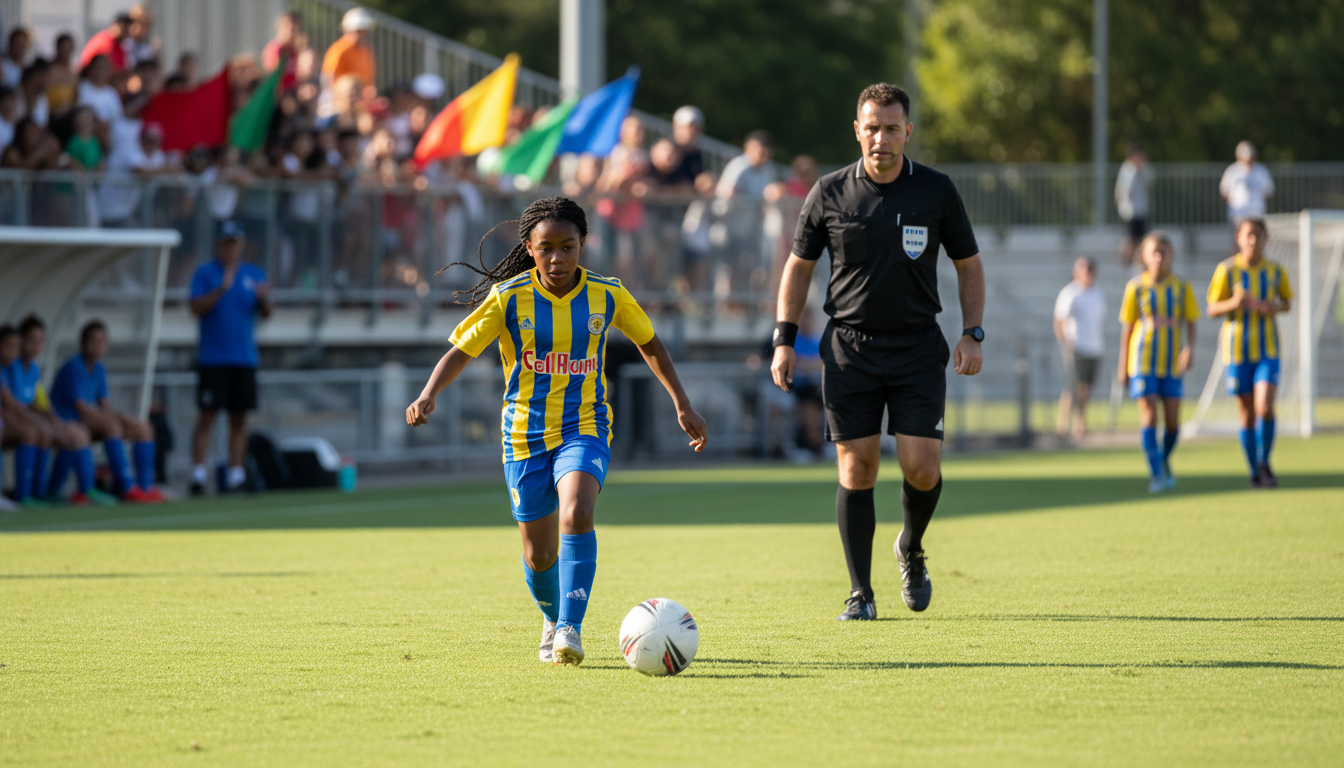
Referees are continuously evaluated through video reviews and peer assessments. Mistakes can happen, as referees are human, but systematic bias is not tolerated in professional soccer.
Myth 2: Referees Don't Understand the Game
Some fans believe referees lack a deep understanding of soccer. In truth, referees must pass comprehensive exams on the rules of the game and often have years of playing experience themselves. Many referees in San Diego actively engage with the sport beyond officiating, enhancing their grasp of the game.

Additionally, referees participate in ongoing education and training sessions to stay updated on any rule changes or new interpretations, ensuring they're equipped to make informed decisions on the field.
Myth 3: Referees Are Unfit
Another myth is that referees aren't physically fit enough to keep up with the pace of the game. In reality, referees undergo fitness tests to ensure they can maintain the required level of performance. They cover significant distances during matches, often running as much as or more than the players.
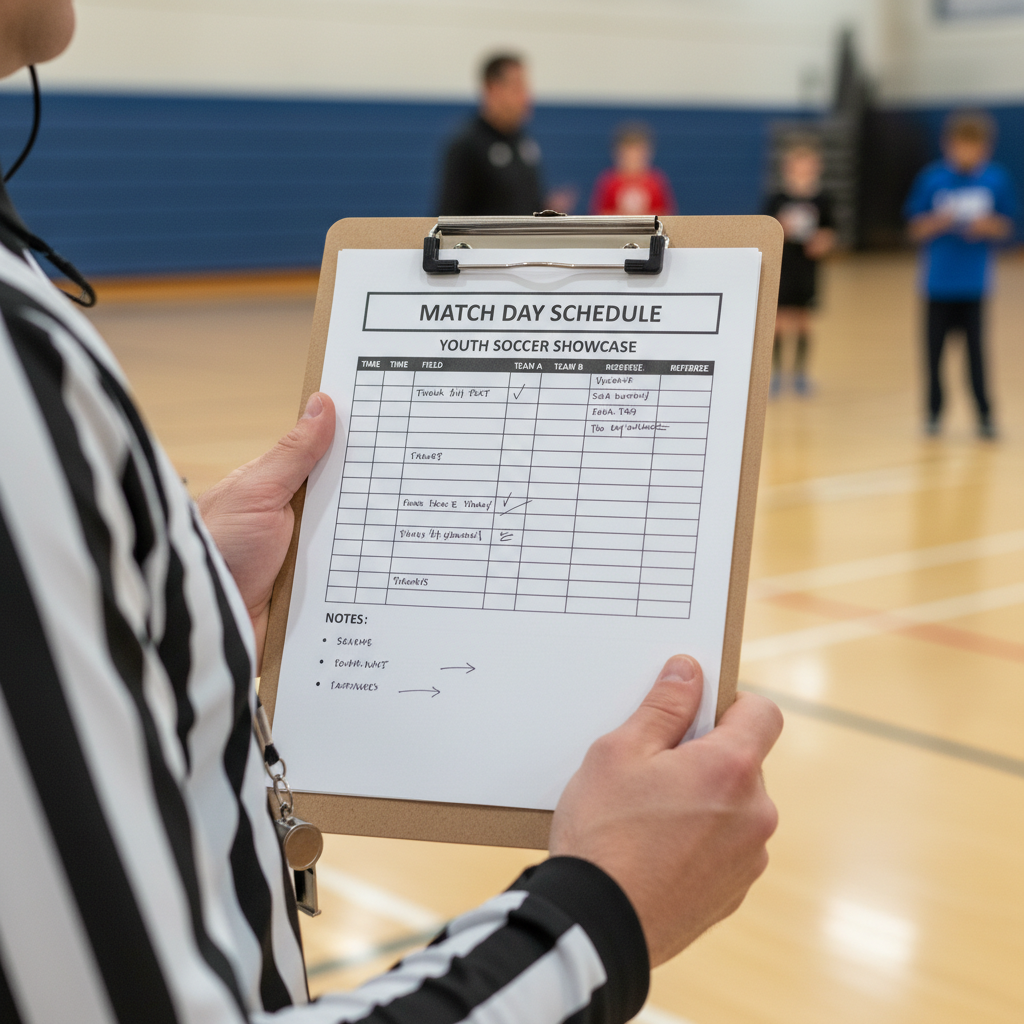
San Diego's soccer referees are no exception, with many spending hours training off the field to maintain their fitness levels and stamina.
Myth 4: All Decisions Are Made Solely by the Referee
While the center referee is the primary decision-maker during a match, they are supported by assistant referees and, in many cases, video assistant referees (VAR). This team approach ensures a higher likelihood of correct decisions, as multiple perspectives are considered.
In San Diego, the use of technology and teamwork among officiating crews enhances decision-making accuracy, reflecting a collaborative effort rather than an individual one.
Myth 5: Referees Are Not Held Accountable
Some people think referees face no repercussions for mistakes. However, referees are held accountable through reviews and feedback from governing bodies. Poor performance can lead to retraining or even suspension from officiating duties.
San Diego's soccer community values high standards, and referees are continually assessed to maintain the integrity of the game.
By understanding these myths, fans and participants of soccer in San Diego can appreciate the challenging and essential role referees play in the sport. Through ongoing education and awareness, we can foster a more informed and respectful soccer culture.